Youth-Led Solutions for Climate-Resilient Cities: From Education to Local Action
Proposed by
Azerbaijan National NGO Forum (ANNF)
Background and Rationale
Young people are among the generations most affected by the long-term consequences of climate change, but they are also an important source of innovation, community leadership and practical climate solutions. Climate education therefore needs to move beyond awareness raising and increasingly provide young people with the knowledge, skills, partnerships and opportunities necessary to participate directly in building resilient and sustainable communities.
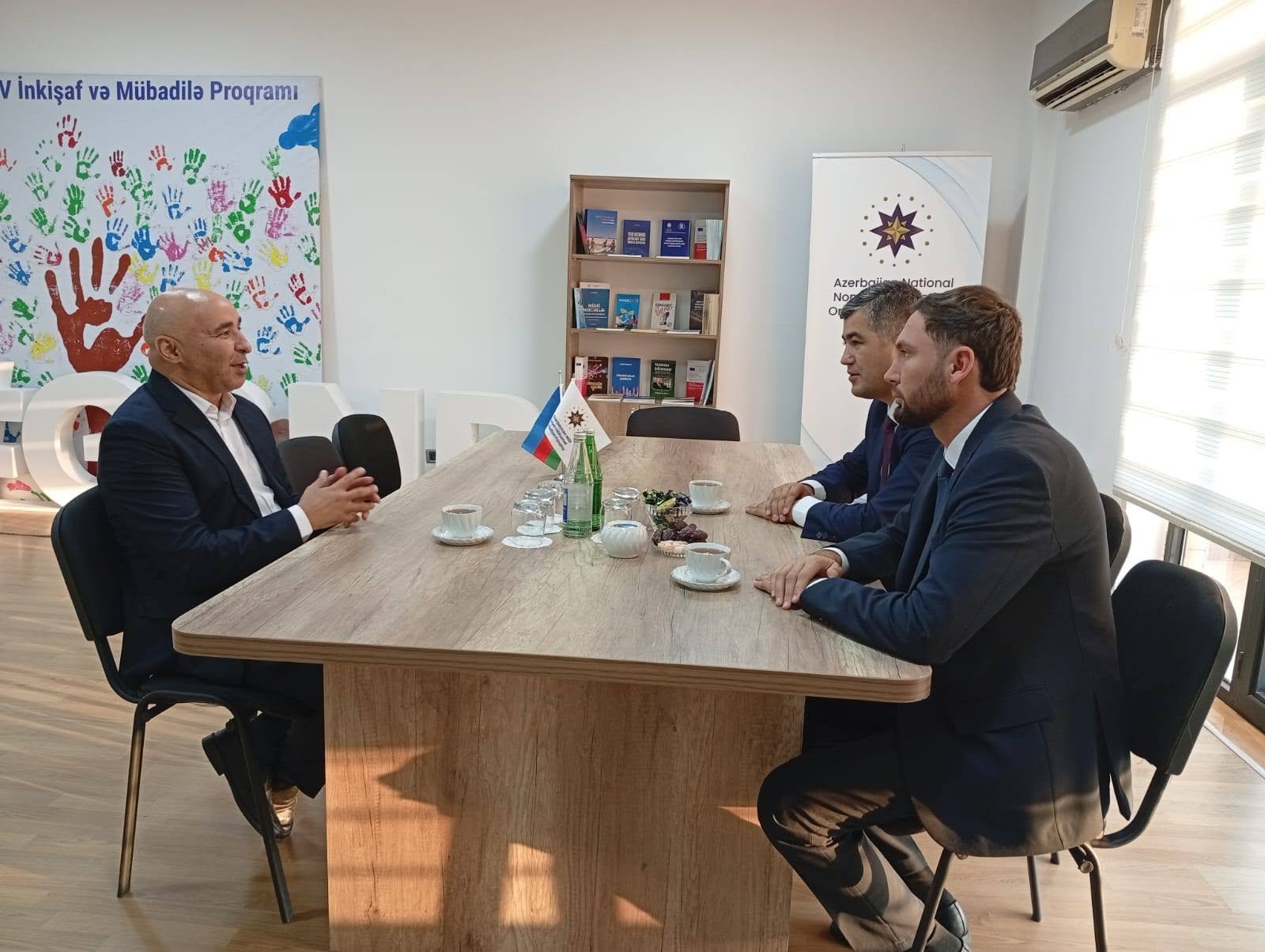
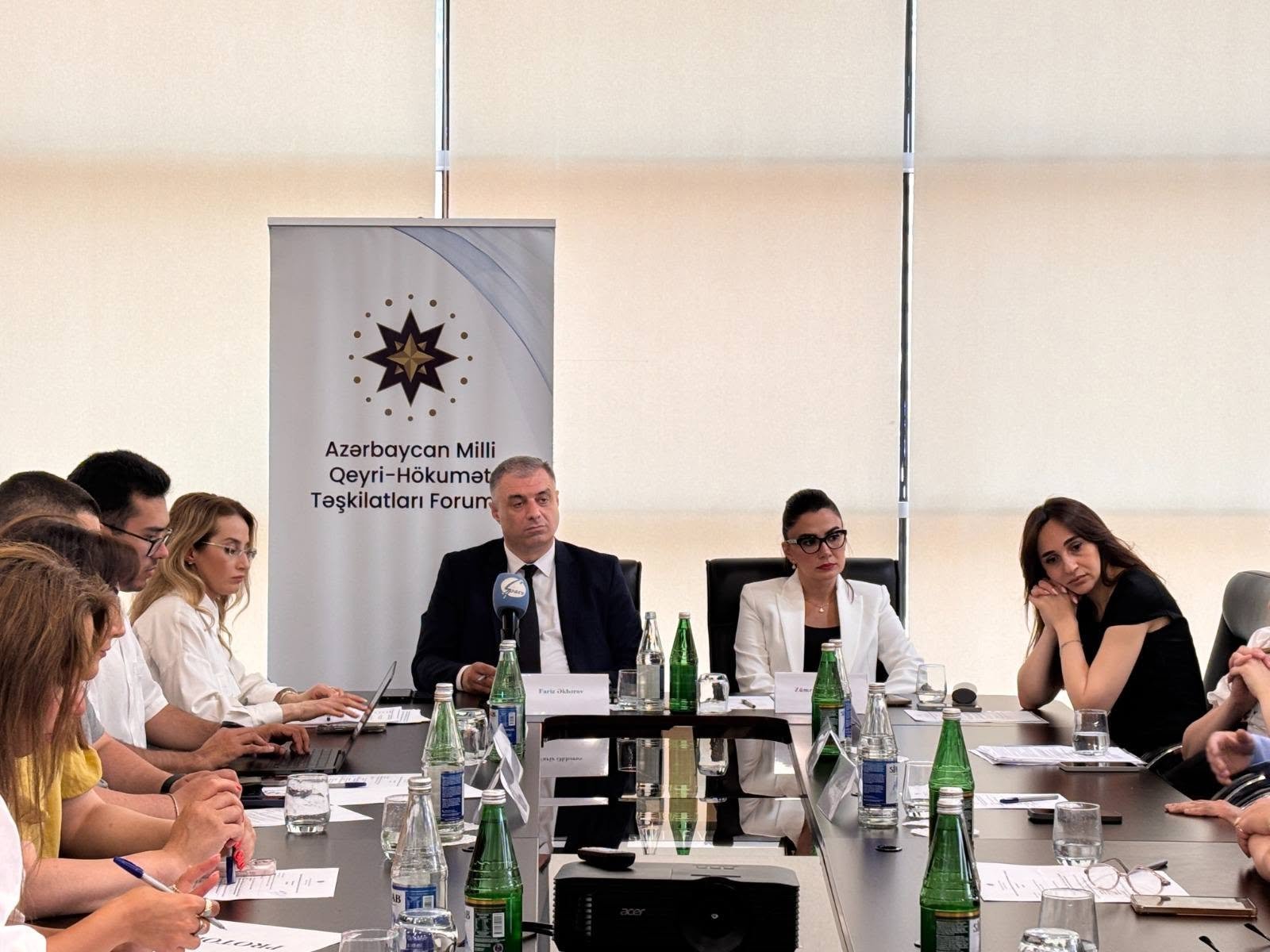
The Azerbaijan National NGO Forum (ANNF) has developed relevant experience connecting youth participation, climate education, grassroots action and sustainable urban development. During COP29 in Baku, ANNF’s Civil Society Pavilion provided a platform for more than 500 national and international civil society organizations from over 100 countries, with discussions covering climate action, sustainable development, climate justice, youth participation and environmental governance. ANNF also engaged young people, volunteers, environmental NGOs and communities through public awareness activities, tree planting, cycling campaigns and initiatives promoting sustainable lifestyles and climate responsibility.
This experience was further developed at WUF13 in Baku in May 2026, where ANNF organized and moderated the partner-led Urban Library event “Youth and Civil Society Leadership in Advancing Sustainable and Inclusive Cities.” The event connected participants from different countries and addressed youth leadership, inclusive housing, sustainable urban governance and community-driven development.
Building on these experiences, the proposed COP31 Project Showcase will demonstrate how climate education can be translated into youth leadership and practical local action for climate-resilient cities.
Objective and Showcase Approach
The main objective is to showcase practical and transferable approaches through which young people, educational actors and civil society organizations can contribute to urban climate resilience. Rather than focusing only on policy discussion, the session will highlight the pathway from climate knowledge → youth engagement → community action → resilient cities.
The Showcase will combine short presentations of practical experiences with an interactive exchange involving young climate leaders, educators, civil society representatives and urban/climate practitioners. Particular attention will be given to community-based environmental education; youth-led climate initiatives; green volunteering and sustainable lifestyles; youth participation in urban decision-making; and partnerships between NGOs, educational actors, local communities and institutions.
ANNF will also bring lessons from its Global South NGO Platform Pavilion at WUF13, where it coordinated international discussions on sustainable cities, climate resilience, inclusive governance and South-South cooperation. This experience will allow the Showcase to connect examples from Azerbaijan with broader Global South perspectives and encourage peer-to-peer learning.
Expected Outcomes and Added Value for COP31
The Showcase is expected to identify replicable models for youth engagement in climate-resilient urban development, facilitate knowledge exchange among participants from different regions, and generate new partnerships between youth organizations, educators, NGOs and climate/urban-development actors. It will demonstrate that climate education becomes more impactful when young people have opportunities to apply their knowledge through concrete community initiatives and participation in decision-making.
The session will contribute particularly to SDG 11 (Sustainable Cities and Communities), SDG 13 (Climate Action) and SDG 17 (Partnerships for the Goals), priorities already reflected in ANNF’s international sustainable-development engagement.
The key message of the Showcase will be: climate-resilient cities cannot be built for young people without being built with young people. Education provides the knowledge, civil society creates opportunities for participation, and youth leadership transforms that knowledge into local climate action.